
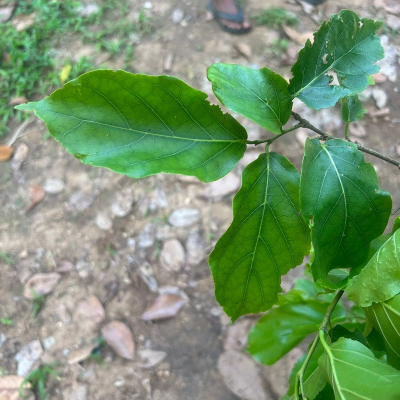
Holoptelea integrifolia(Roxb.) Planch.
Synonyms : Ulmas integrifolia
Family : Ulmaceae
Parts Used : Leaf , Bark
Vernacular Names :-
| English | : | Indian elm |
| Malayalam | : | Avil, Nettavil |
| Hindi | : | Cibil |
| Sanskrit | : | Chirabilva |
| Bengali | : | Kanjko |
| Gujarathi | : | Kanjho, Waoa |
| Kannada | : | Tapasigida |
| Tamil | : | Avali, Kanji |
| Telungu | : | Tapasi ,Rajain, khulen, Arjan |
Distribution and Habitat: Found throughout India, Sri-Lanka, Myanmar
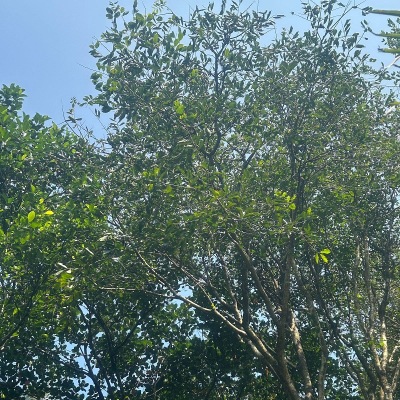
Botany: It is a polygamous large spreading deciduous tree, tender parts pubescent
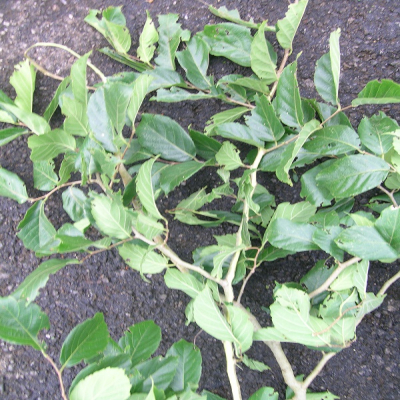
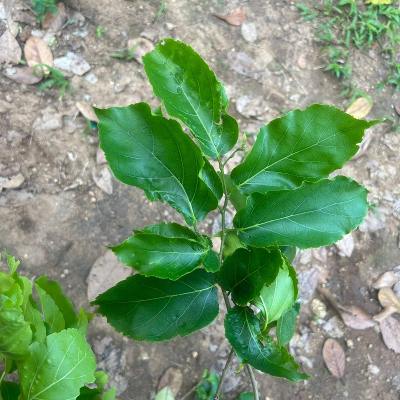
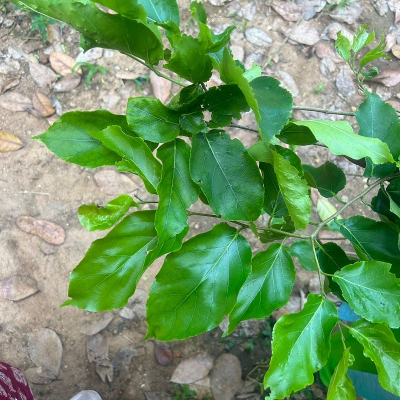
- Leaves: Elliptic-ovate, acuminate, base rounded or sub cordate.
- Flowers: Greenish yellow in short racemes or fasicles on the leafless branches.
- Fruits: Sub orbicular samara with membraneous wings. Seeds flat, exalbuminous.
Properties: It is acrid, anthelmintic, anti-inflammatory, astringent, bitter, carminative, depurative, digestive, laxative, revulsive and thermogenic.
Chemical constituents:
- Bark: β- Sitosterol, friedelin, epifriedelinol, Heart wood:hederagenin
- Leaf- β- amyrin, β-sitosterol, hexacosanol, octacosanol
- Seeds: Carbohydrates , pigments, oils
Uses: It is used in bone fracture, rheumatism, skin disease, scorpion sting, hydrocele, ulcers, vomiting, bile disorders, piles, polyuria, wounds and pimples
Propagation: By seeds.